
HPE ProLiant DL580 Gen11 Server
A scalable 4U enterprise server built for mission-critical virtualization, databases, ERP systems, analytics, and large-scale enterprise infrastructure. Available by custom quote based on inventory and workload requirements.
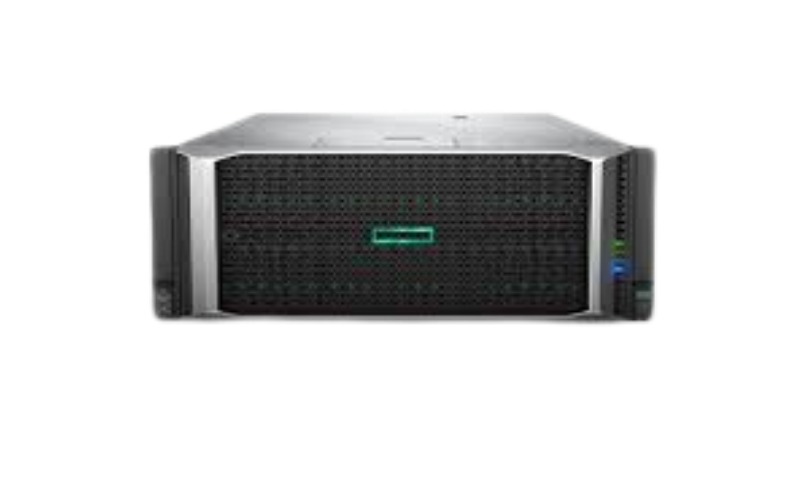
Refurbished HPE DL580 Gen11 For Mission-Critical Enterprise Infrastructure
The HPE ProLiant DL580 Gen11 is designed for organizations that require large-scale enterprise infrastructure for virtualization, ERP systems, databases, analytics, and mission-critical business workloads.
Large-Scale Virtualization
Built for enterprise VMware, Hyper-V, Proxmox, and large virtualization environments requiring high scalability and memory capacity.
ERP & Enterprise Applications
Designed for SAP, ERP, enterprise databases, analytics, and business-critical applications.
Mission-Critical Infrastructure
Strong fit for organizations needing scalable infrastructure with enterprise reliability and expansion capabilities.
Enterprise Growth
The 4U platform provides substantial expansion, storage, and scalability for growing enterprise environments.
Large-Scale Enterprise Infrastructure With Maximum Expansion
The DL580 Gen11 is designed for businesses and organizations that need enterprise scalability, advanced expansion flexibility, and infrastructure capable of supporting mission-critical workloads.
Best For
ERP systems, virtualization, analytics, enterprise databases, SAP, and mission-critical business infrastructure.
Form Factor
4U rack server platform designed for maximum scalability, expansion flexibility, and enterprise infrastructure growth.
Platform
Modern HPE Gen11 architecture with DDR5 memory and PCIe Gen5 expansion capabilities.
Availability
Quote-only model. TekBoost can source and build DL580 Gen11 systems based on workload, budget, and available inventory.
HPE DL580 Gen11 Compared To Other Gen11 Servers
Use this quick guide to compare the DL580 Gen11 with other HPE Gen11 platforms.
| Model | Form Factor | Best For | When To Choose It |
|---|---|---|---|
| DL580 Gen11 | 4U Rack | Mission-critical infrastructure, ERP, databases | Choose for maximum enterprise scalability and expansion |
| DL560 Gen11 | 2U Rack | Enterprise virtualization and ERP | Choose for scalable enterprise workloads in a smaller footprint |
| DL380 Gen11 | 2U Rack | Balanced enterprise infrastructure | Choose for general-purpose enterprise deployments |
| DL385 Gen11 | 2U Rack | AMD virtualization and high-core workloads | Choose for AMD EPYC enterprise environments |
Need A Custom HPE DL580 Gen11 Quote?
Tell us your workload, processor needs, memory requirements, storage layout, RAID requirements, networking, and budget. TekBoost can source and quote the right DL580 Gen11 build based on available inventory.
HPE DL580 Gen11 Server Questions
What is the HPE DL580 Gen11 best used for?
The HPE DL580 Gen11 is best for mission-critical enterprise infrastructure, virtualization, ERP systems, databases, analytics, and large-scale business applications.
How is the DL580 Gen11 different from the DL560 Gen11?
The DL580 Gen11 is a larger 4U enterprise platform designed for maximum scalability and expansion flexibility compared to the smaller 2U DL560 Gen11.
Does the HPE DL580 Gen11 support DDR5?
Yes. HPE Gen11 platforms are designed around newer memory and expansion technology, including DDR5 memory and PCIe Gen5 capabilities.
Can TekBoost quote an HPE DL580 Gen11?
Yes. The HPE DL580 Gen11 is request-for-quote only. TekBoost can source and quote systems based on CPU, memory, storage, RAID, networking, workload requirements, and available inventory.
Refurbished HPE ProLiant DL580 Gen11 Servers
Refurbished HPE ProLiant DL580 Gen11 servers are designed for organizations that require scalable enterprise infrastructure for virtualization, ERP systems, databases, analytics, and mission-critical business applications. The DL580 Gen11 provides substantial enterprise expansion capabilities with modern DDR5 memory support and PCIe Gen5 infrastructure.
TekBoost can help source and quote HPE DL580 Gen11 servers based on workload requirements, including processor selection, memory capacity, storage configuration, RAID controller needs, networking, available inventory, and budget.